


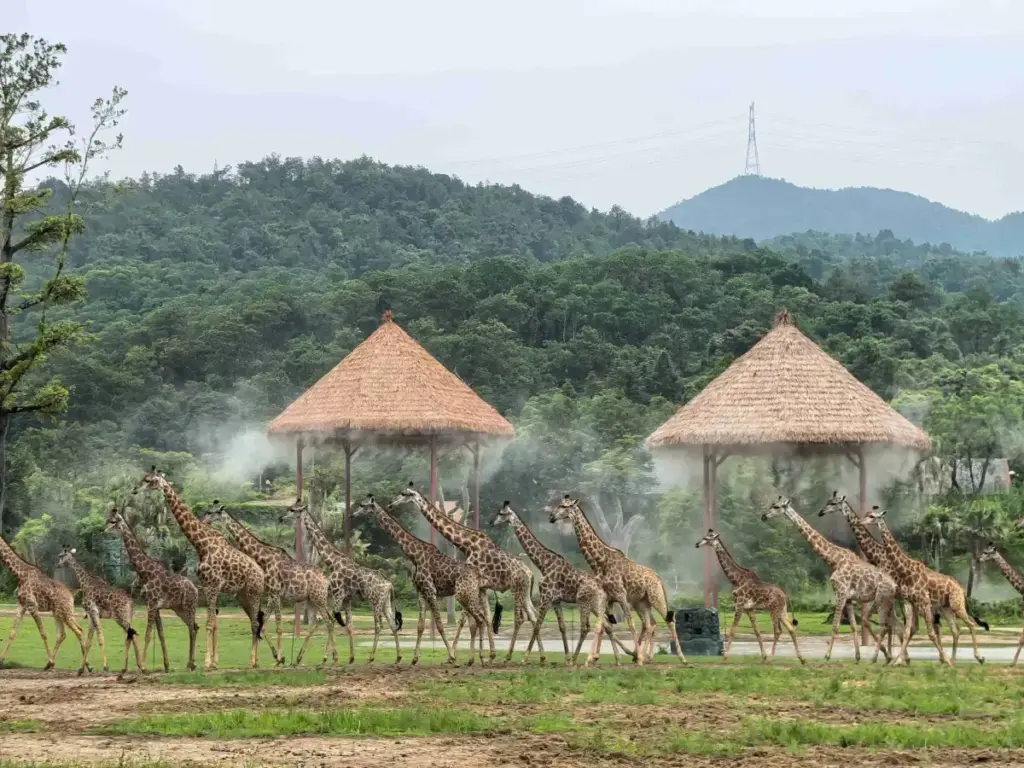
Ask three people when to visit 칭위안 침롱 삼림 왕국 and you will get three different answers, because the right month depends on what you are optimizing: animal activity, queue length, price, or the hot springs. This guide gives you the honest month-by-month picture — Guangdong’s climate, the park’s crowd calendar, the price tiers that change what you pay at checkout — and then narrows it down to the specific dates we would choose ourselves.
The data mix: two visits at different times of year, the park’s official Trip.com listing (checked November 2026, where the park holds a 4.9/5 rating from about 59,500 reviews), and the region’s climate norms. Hours run 10:00–18:00; extended evening sessions appear on peak days and holidays.
⚡ Quick answer: The sweet spots are late March to May 그리고 October to early December — mild weather, active animals, shoulder prices. Visit Tuesday to Thursday for the shortest lines. Avoid Chinese public holidays (especially Golden Week, October 1–7) and the hottest stretch of July–August unless the hot springs and water play are the point.
🌤️ The Climate in One Paragraph 🌡️
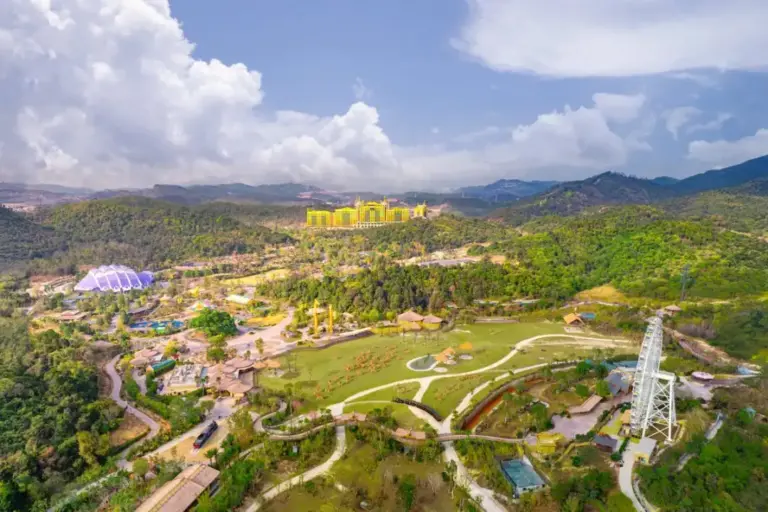
Qingyuan sits in northern Guangdong at the edge of subtropical hills: hot, humid summers; mild, occasionally crisp winters; a pronounced rainy season from April to June (typhoon fringe weather into September). Forest cover softens the extremes — the park’s valleys stay a shade cooler than the city, and morning mist over the savanna is a genuine spring-and-autumn phenomenon. The practical translation: October–December and March–May are the comfortable months, January–February are cool-but-workable, and midsummer is a heat-management exercise.
📅 Month-by-Month: Weather, Crowds, Prices 📊
| Month | Weather | Crowds | Price Tier | Our Note |
|---|---|---|---|---|
| January | Cool, dry (10–18°C) | Low (except CNY) | Low → peak at Chinese New Year | Animals sluggish on cold mornings; CNY week is peak everything |
| February | Cool, humid | High early (CNY) | Peak → falling | Post-CNY lull is quietly excellent |
| March | Mild, misty | Low | Low | Secret season: mist over the giraffe fields |
| April | Warm, rainy spells | Low–medium | Low | Poncho season; crowds stay light |
| May | Warm, building heat | Medium (holiday spike early) | Medium | Great until Labor Day week, then heat arrives |
| June | Hot, wet | Medium | Medium | Afternoon storms; indoor halls earn their keep |
| July | Hot (28–35°C) | High (summer break) | High | Heat management: 10:00 entry, midday hotel, 15:30 return |
| August | Hottest, typhoon fringe | High | High | Watch storm forecasts; flexible tickets help |
| September | Hot → easing | Medium | Medium | Late September cools beautifully |
| October | Mild, dry | Extreme Oct 1–7 (Golden Week), then low | Peak → low | Best month after Golden Week ends |
| November | Mild, dry | Low | Low–medium | Our favorite: light, golden, quiet |
| December | Cool, festive | Low → medium | Low → rising | Seasonal decorations; pack a layer |
🎟️ The Price Calendar: Tiered Tickets Explained 💰
Chimelong prices admission in tiers — regular, peak and special — and the tier is set by date, not by season. The practical differences we verified on Trip.com (November 2026):
- Regular days (most weekdays): adult one-day from about US$37.99 with current discounts (standard ≈ US$38.94); the 2-day combo sits around US$49–60+.
- Peak days (weekends, school breaks): visibly higher prices 그리고 advance booking often required — weekend entries can sell out in the booking calendar.
- Special days (holidays): top tier, biggest crowds, hotels full weeks out. Golden Week (Oct 1–7) and Chinese New Year are the two to treat as weather events.
- Afternoon tickets (≈ US$23.22) reward the 14:00-arrival strategy on any tier — good for hot months, better for thin wallets.
The full ticket-type comparison — single day vs. 2-day combo vs. annual pass — lives in our ticket guide, and the complete trip-cost math is in the budget guide.
👷 The Crowd Calendar: Whose Week Is It? 👥
Chinese domestic tourism drives the crowd calendar more than the weather does. The days to understand:
- Golden Week (October 1–7): the heaviest week of the year nationwide. If your only window is Golden Week, go anyway — but pre-book everything, arrive at 09:30, and expect queues everywhere. Honestly? Shift two days if you can.
- Chinese New Year (Jan/Feb, date moves): peak prices, peak crowds, plus festive decorations that are genuinely beautiful. A trade-off, not a disaster.
- Summer break (July–August): high crowds most weekdays, driven by family travel — the heat makes the crowds feel worse than they are.
- Ordinary weekends: busy but manageable with the 10:00-entry plan; Saturday afternoons are the single most crowded block of a normal week.
- Tuesday–Thursday: the park at its quietest. If your schedule allows any weekday, take it.
⏰ Within the Day: The Micro-Season That Matters Most ⏱️
However good your month, the daily pattern decides your experience. Across visits, this holds in every season:
- 10:00–11:30: the golden 90 minutes — animals active, queues short, light soft. This is when the steam train earns its reputation.
- 12:00–15:00: heat and groups — spend it on shows, the science halls and lunch (entertainment guide).
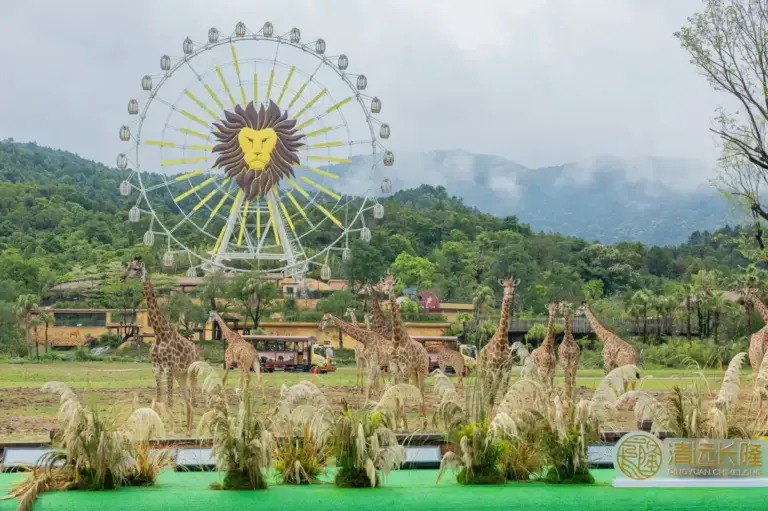
- 15:30–18:00: the second golden window — Thrill Ridge lines collapse, the savanna wakes for evening feeding, and the Ferris Wheel gets its sunset. The one-day itinerary is engineered around these two windows.
🌦️ Rain, Typhoons and the Flexibility Play ☔
Rain is a scheduling nuisance, not a trip-killer: theaters, science halls and restaurants keep a rainy day full (our family guide builds a whole wet-weather plan), light rain thins crowds, and the forest smells best after a shower. Bring ponchos; skip umbrellas on the narrow boardwalks. Typhoon-fringe days (mainly July–September) are the exception — check the forecast, book flexible-date tickets on Trip.com, and let the weather pick between park day and hot-spring day.
🏆 Our Verdicts, If You Can Choose Any Date 🥇
- Best overall: a Tuesday–Thursday in November — mild air, golden light, low tiers, misty mornings.
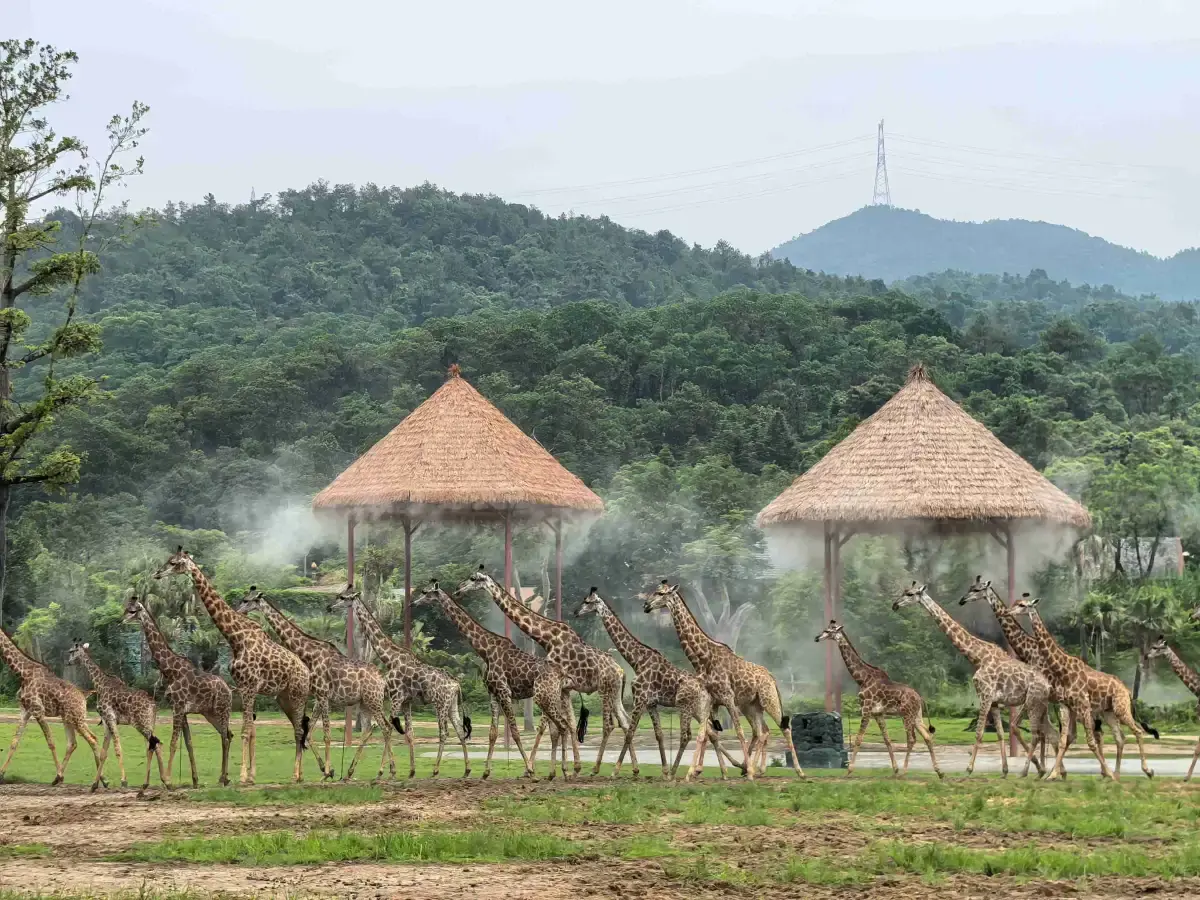
- Best for animals: March mornings — mist, active herds, empty platforms.
- Best for families with school-age children: the first week of July (before the deepest heat), with the midday-hotel strategy.
- Best for hot springs: December — cold evenings make the forest pools perfect.
- Best compromise for international visitors: late October, after Golden Week — the month’s weather with none of its crowds.
🌸 Season Deep-Dives: Four Parks in One Year 🍂
The month table gives you the data; the seasons give you the feel. Four visits spread across the calendar have taught us that this is genuinely four different parks:
Spring (March–May): the misty kingdom 🌫️
The photographer’s season. Valley mist over the giraffe fields until mid-morning, cranes dancing, everything green and growing. Crowds are low, tickets at the regular tier, and the hot springs still feel good in the cool evenings. Trade-off: April showers — pack the poncho and own the empty walkways.
Summer (June–August): the shade strategy 🌞
Hot and humid, school-holiday busy, but far from impossible. The winning pattern runs the 10:00 opening hard, retreats indoors (shows, halls, long lunches) through the hottest hours, and returns for the 15:30–18:00 window when both light and lines improve. Evening sessions on peak days and the occasional storm drama add variety; typhoon-fringe days deserve respect and flexible tickets.
Autumn (September–November): the golden window 🍁
The season we recommend to everyone who asks. September still carries summer heat; October begins with Golden Week chaos and then flips into the year’s best stretch; November is light-jacket weather, low tiers, misty mornings and golden afternoons. If you can pick one month blind, pick November.
Winter (December–February): the quiet kingdom ❄️
Crisp mornings (yes, Guangdong has them), thin crowds outside the New Year peak, and the hot springs at their absolute best — cold evening air over steaming forest pools is the resort’s signature sensation. Animals start later and finish earlier; the Ferris Wheel in a December sunset is a private experience. Chinese New Year itself is a beautiful, crowded, expensive exception.
🎪 Events and the Calendar You Cannot Control 🎆
Beyond weather, three recurring calendar forces shape a visit:
- Chinese New Year (Jan/Feb): the park dresses up — lanterns, themed decor, extended evening energy — at peak prices and peak crowds. Beautiful if you embrace it; avoid if you hate queues.
- Golden Week (Oct 1–7): the national travel week. The park handles it with competence but no magic can make 60,000 visitors feel intimate. Shift two days either side and you get October’s weather at November’s crowds.
- Summer night sessions: on selected peak days, hours extend past 18:00 with evening entertainment — check the official listing for the current season’s schedule before assuming.
📈 The Crowd Curve of a Single Day (Any Month) ⏱️
Whatever month you choose, the daily wave repeats. Plan around it:
| Hour | Crowd Level | Where the Smart Visitors Are |
|---|---|---|
| 10:00–11:30 | Low | Steam train, giraffe platform — the golden 90 minutes |
| 11:30–12:30 | Rising | Food courts at 11:45, before the wave crests |
| 12:30–15:00 | Peak | Theaters, science halls, hotel retreats — shade and AC |
| 15:00–15:30 | Easing | The turnover hour; position at Thrill Ridge |
| 15:30–17:30 | Low again | Thrill Ridge laps, savanna return, photo light |
| 17:30–18:00 | Exit wave | Ferris Wheel, gift shop after it passes |
🏆 Final Verdicts by Traveler Type 🥇
- First-time international visitors: late October–November. Best weather-to-crowd ratio of the year, plus misty-morning photography.
- Families with school-age children: early July (before the deepest heat) or the February post-New Year lull — school calendars decide; the strategies above protect both windows.
- Couples: a November weekday with a night at the Giraffe Castle and an evening hot-spring soak — the resort trip as designed.
- Photographers: March mornings for mist, November afternoons for gold; both pair with the photo spots map.
- Budget travelers: any Tuesday–Thursday in the low tiers; the budget guide does the math.
📆 Same Park, Two Days: Weekend vs. Weekday 🔄
We have now visited on both sides of the week, and the honest framing is that they are two different experiences wearing one ticket:
| Aspect | Weekday (Tue–Thu) | Weekend |
|---|---|---|
| Ticket price | Regular tier (from ≈ US$37.99) | Peak tier — visibly higher in the calendar |
| Train queue at 10:00 | Walk-on | Short but real; arrive 09:40 |
| Giraffe platform | Turn-by-turn in minutes | Queues build from 11:00; go early |
| Thrill Ridge after 15:30 | Empty | Empties but never empties completely |
| Hotels | Lowest rates, easy upgrades | Premium rates; the good rooms go weeks ahead |
| Atmosphere | Locals, toddlers, photographers | Festival energy — busier, louder, more performances of everything |
The verdict is not “never weekends” — the weekend energy is genuinely fun, and many visitors only have weekends. It is: on weekends, shift everything 30 minutes earlier (the 09:40 gate, the 11:30 lunch) and pre-book every moving part. On weekdays, the standard plans in our itineraries run as written.
❓ Frequently Asked Questions
What is the best month to visit Qingyuan Chimelong Forest Kingdom?
October (after Golden Week) through early December, and March to May. Both windows combine mild weather, active animals and lower crowd pressure than summer or the holiday weeks.
Which days of the week are quietest?
Tuesday to Thursday. Weekends raise prices, queues and hotel rates; Monday is a quiet bridge day too, though some visitors who arrived for the weekend linger into it.
Are the Chinese holidays really that bad?
Golden Week and Chinese New Year are the busiest weeks of the year: peak ticket tiers, packed walkways, fully booked hotels. The park remains enjoyable with early arrival and pre-booked everything — but shifting your dates by even two days transforms the trip.
Does the park close in bad weather?
The park stays open in ordinary rain; individual outdoor shows and some rides may pause. In typhoon-level storms, Chimelong can adjust hours or close for safety — check the official channels and hold flexible tickets in typhoon season.
What are the opening hours?
Standard hours are 10:00–18:00, with extended sessions on some peak days and holidays. Confirm the day’s hours on the official listing before you travel, especially in winter.
🌟 마지막 생각
Timing is the cheapest upgrade available at Qingyuan Chimelong: the same ticket buys a packed midsummer Saturday or a misty November Tuesday, and the difference is the whole trip. Pick the shoulder months, pick a weekday, arrive before ten, and let the forest do the rest — it has been rehearsing this show for years.
댓글